Mental health care in India is undergoing a significant transformation, and at the center of this change is the growing acceptance of online counselling in India. For years, many individuals struggled in silence due to stigma, lack of access, or hesitation to seek help. Today, digital platforms are making mental health support more accessible, private, and practical for people across different age groups and locations.
The shift toward online counseling is not just a trend—it reflects a deeper change in how people understand and approach mental well-being. As awareness grows, more individuals are choosing convenient and comfortable ways to access professional support without the limitations that once held them back.
Breaking Barriers with Online Counselling in India
One of the biggest reasons why online counselling is gaining popularity is its ability to remove traditional barriers. Earlier, accessing mental health care often required traveling to a clinic, waiting for appointments, and dealing with the fear of being judged. These challenges discouraged many from seeking help.
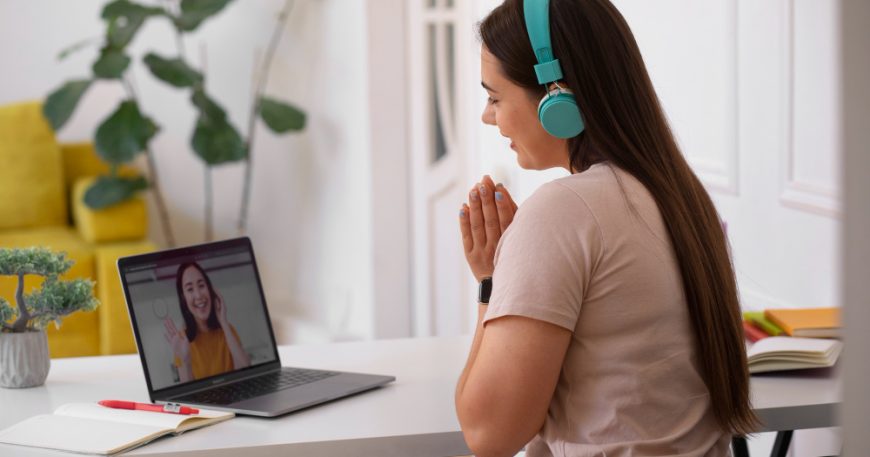
Online counselling has changed this completely. It allows individuals to connect with professionals from their own space, whether at home or any place they feel comfortable. This level of accessibility is especially important for people living in smaller towns or those with busy schedules. It ensures that support is not limited by geography or time constraints.
In addition, online platforms offer a sense of privacy that is crucial in a society where mental health is still sensitive. People who may hesitate to visit a physical clinic feel more at ease opening up through virtual sessions. This comfort plays a key role in encouraging more individuals to take the first step toward support.
Why More People Are Choosing Online Counselling
The rise of online counselling in India is closely linked to changing lifestyles and increasing awareness about mental health. Today’s fast-paced routines often leave little time for self-care, making flexible solutions more important than ever.
Online counselling fits seamlessly into daily life. Sessions can be scheduled at convenient times, reducing the stress of managing work, travel, and appointments. This flexibility helps individuals stay consistent with their sessions, which is essential for long-term improvement.
Another important factor is the growing acceptance of mental health conversations. Social media, educational content, and workplace initiatives are slowly normalizing the idea of seeking help. As more people share their experiences, others feel encouraged to do the same. Online counselling becomes a natural choice in this environment, offering a simple and approachable way to begin the journey toward better mental health.
In regions like Kerala, many individuals now prefer reaching out to a trusted counselling centre in Kerala through online platforms. This approach combines professional expertise with the ease of digital access, making support more practical and less intimidating.
The Future of Mental Health Care in India
The increasing demand for online counselling is shaping the future of mental health care. It is not only making support more accessible but also changing how people perceive therapy. Mental health care is no longer seen as something to seek only during a crisis. Instead, it is becoming a regular part of maintaining overall well-being.
As technology continues to evolve, online counselling is expected to become even more personalized and widely available. More people will have the opportunity to access support early, preventing issues from becoming more serious over time. This shift can lead to a healthier, more aware society where mental well-being is prioritized alongside physical health.
At the same time, the role of professional support remains essential. Whether through digital platforms or a physical counselling centre in Kerala, the goal is to create a safe space where individuals can express themselves, understand their emotions, and find effective ways to cope with life’s challenges.
Online counselling is not just changing how mental health care is delivered—it is changing how it is perceived. By making support more accessible, flexible, and private, it encourages more people to seek help without fear or hesitation. As awareness continues to grow, online counselling will play a key role in building a more open and supportive approach to mental health.

