

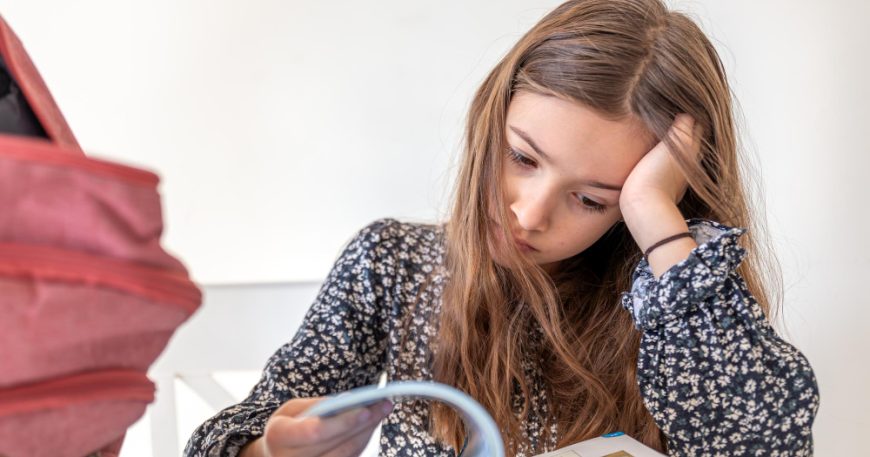
School Anxiety in Children: 5 Signs Every Parent Must Know
School anxiety in children is one of the most common — and most misunderstood — challenges parents face. When a child suddenly refuses to go to school, cries at drop-off, or complains of stomach aches every weekday morning, it is easy to assume defiance or laziness. In reality, this is very often school anxiety in children expressing itself through behaviour rather than words.
At Hapinus Care, our child counseling team works with families across Kerala who are navigating exactly this experience. This blog outlines five key signs of school anxiety in children, what causes it, and how parents can provide the right support.
What Is School Anxiety in Children?
School anxiety in children refers to persistent fear, worry, or distress specifically associated with attending school. It is distinct from occasional reluctance — school anxiety in children is a consistent pattern that significantly disrupts the child’s and family’s daily functioning.
Research on school refusal behaviour confirms that school anxiety in children is a recognised clinical presentation, often linked to separation anxiety, social anxiety, bullying, academic pressure, or underlying generalised anxiety. Left unaddressed, school anxiety in children tends to worsen over time as avoidance reinforces the fear.
5 Signs of School Anxiety in Children
1. Physical Complaints Before School
One of the most common signs of school anxiety in children is recurring physical symptoms — stomach aches, headaches, nausea, or fatigue — that appear specifically on school mornings and resolve once the school day is avoided. These symptoms are real, not fabricated. School anxiety in children frequently manifests in the body before a child has the language to express their emotional distress.
2. Crying, Clinging, or Meltdowns at Drop-Off
Intense emotional reactions at school drop-off — crying, clinging to a parent, tantrums, or pleading not to go — are classic presentations of school anxiety in children, particularly in younger children. While some difficulty separating is developmentally normal, when this pattern is severe, persistent, or worsening, it signals school anxiety in children that requires attention.
3. Avoidance and Excuses to Stay Home
Children experiencing school anxiety often become skilled at finding reasons to avoid school — claiming illness, requesting to stay home repeatedly, or expressing intense reluctance the night before school. This avoidance pattern is one of the clearest behavioural indicators of school anxiety, and it tends to escalate the longer it goes unaddressed.
4. Difficulty Sleeping the Night Before School
School anxiety often disrupts sleep, particularly the night before a school day. Children may have difficulty falling asleep, experience nightmares, or repeatedly ask questions about the next school day. This anticipatory anxiety is a strong indicator that school anxiety is present and significant.
5. Withdrawal or Behavioural Changes at Home
School anxiety does not stay contained to school mornings. Parents often notice increased irritability, withdrawal, clinginess, or behavioural regression at home — signs that the child is carrying significant unprocessed anxiety throughout the day, not only during school hours.
What Causes School Anxiety in Children?
School anxiety can stem from multiple sources, including:
- Separation anxiety, particularly in younger children
- Social anxiety or difficulty with peer relationships
- Bullying or social exclusion
- Academic pressure and fear of failure
- Sensory sensitivities or specific classroom triggers
- Underlying generalised anxiety disorder
Identifying the specific cause of school anxiety is essential for effective intervention — a one-size-fits-all approach is rarely sufficient.
How Parents Can Support a Child with School Anxiety
- Validate the child’s feelings rather than dismissing or minimising the distress
- Maintain a calm, consistent morning routine
- Communicate openly with the school about the school anxiety your child is experiencing
- Avoid reinforcing avoidance by allowing extended absences without a plan
- Seek professional support early, before the pattern of school anxiety becomes entrenched
When to Seek Professional Help for School Anxiety in Children
If school anxiety persists for more than two weeks, is worsening, or is significantly affecting your child’s daily life and family functioning, it is time to consult a qualified child psychologist.
At Hapinus Care, our team provides comprehensive assessment and evidence-based support for school anxiety in children — including individual child counseling, parent guidance, and school liaison support. Both in-person sessions across our Kerala centers and online consultations in English and Malayalam are available.
Call 9207 07 51 51 or book through WhatsApp to get the right support for your child today.

